
- A buttock dimple refers to a small, inward-curving line that runs from the waistline down to the outer side of the buttocks, where the pelvis meets the thigh. This is a natural structure formed by the shape of the pelvis and the position of the femur, not a “body defect.”
- Some people have more pronounced dimples due to differences in pelvic abduction, fat distribution, and gluteal muscle mass. This does not indicate poor health; it’s simply a natural variation in body shape.
Is it normal? Does it need “correction”?
- A buttock dimple is less of a problem and more of an individual difference, like height or double eyelids. Most people have some to varying degrees. It cannot be used as an indicator of health, obesity, or thinness.
- As long as there are no symptoms such as pain or difficulty moving, a buttock dimple does not require medical “correction.” If you are concerned about appearance, you can improve your figure through training and clothing choices, rather than viewing yourself as a “flaw” that needs to be changed.
Main Causes of Hip Dips
- The most crucial factor is the shape of the pelvis and the distance between the pelvis and the upper part of the thigh bone. This is a congenital skeletal structure that cannot be completely changed through exercise; adjustments can only be made to its appearance.
- Fat distribution and muscle mass also affect the visual appearance of the hip dip:
- When the fat on the sides of the hips is thin and the gluteal muscles are insufficient, the dip will appear particularly noticeable.
- If genes make the lower body more prone to fat accumulation, or if prolonged sitting or poor posture can also make the lines appear uneven, but essentially it is still a result of structure and soft tissue distribution.
Difference from “Waist Fat”
- Hip dips are a natural concave arc at the junction of the pelvis and thighs, located lower and close to the hip joint, visually appearing as if the middle of the hip line has been slightly “tucked in”.
- Waist fat is the accumulation of fat on the sides of the waist, located much higher than hip dips. It is less related to bone shape and mainly related to genetics, body fat percentage, and lifestyle habits. One is a structural line, and the other is fat accumulation, so the treatment methods are naturally different. ## How to Improve Your Body Shape?
- Exercise can’t “flatten” your skeletal structure, but it can:
- Increase the strength of your gluteus medius, gluteus minimus, and gluteus maximus to make your hips fuller and visually minimize any hollowness.
- Improve posture issues such as prolonged sitting and pelvic tilt, resulting in a more stable lower body and a more elongated stance.
- It’s generally recommended to incorporate the following types of exercises, gradually increasing the intensity according to your fitness level:
- Side leg raises and clamshell exercises to train the gluteus medius.
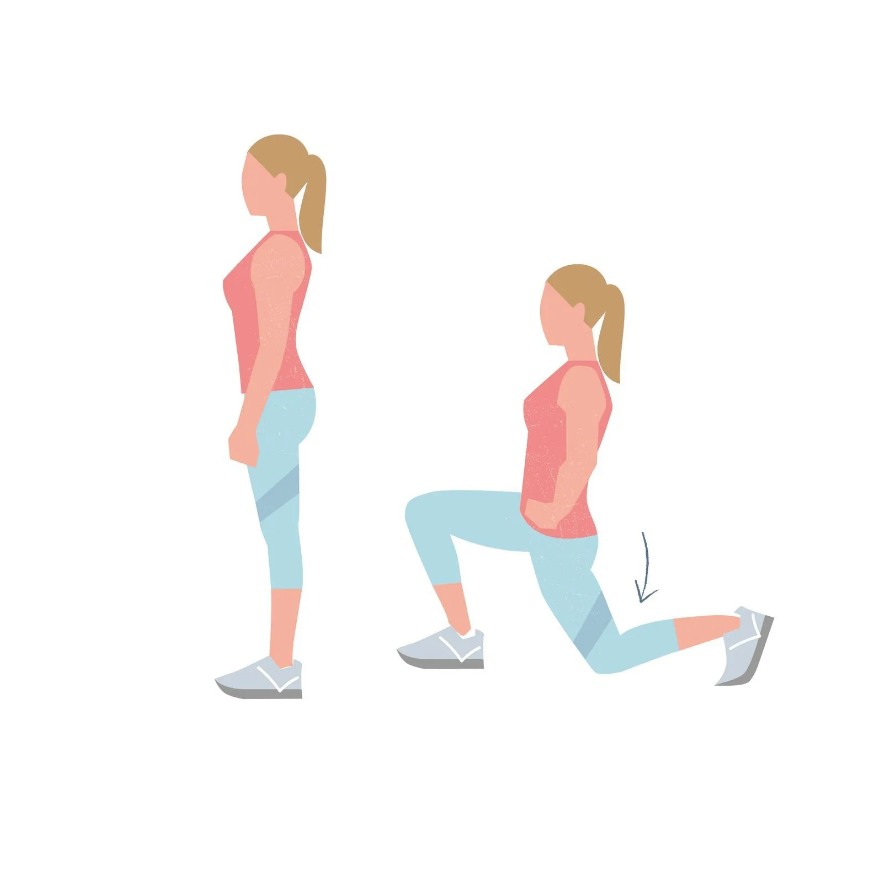
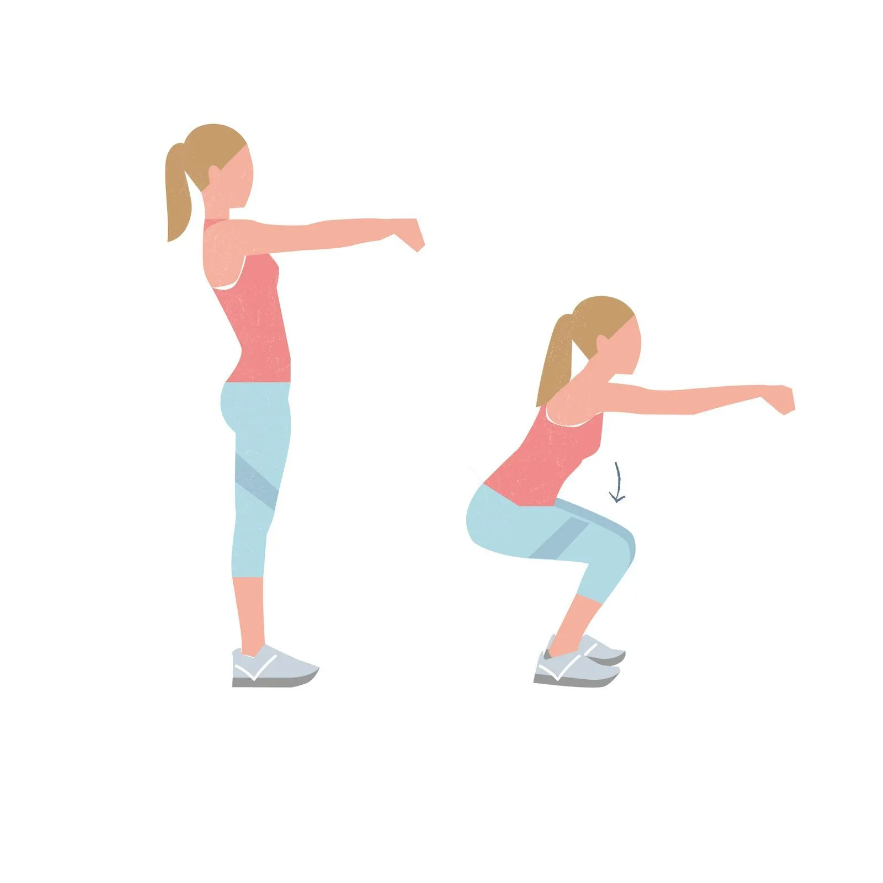
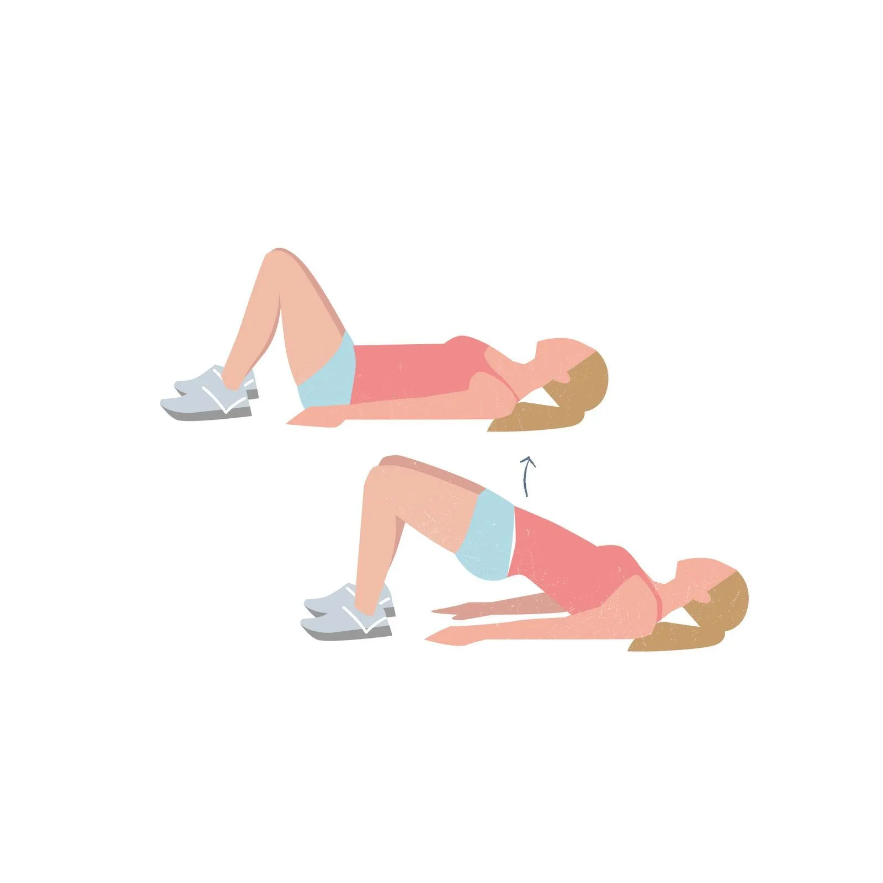
- Squats, split squats, and hip thrusts to train the entire glute and leg body.
- Focusing on pelvic stability and core engagement during the exercises is more important than simply increasing the weight.
Styling Tips to Minimize Waist Concavities
- To make your hips appear rounder in certain situations, you can use fabric and cut to your advantage:
- Choose skirts or trousers made of slightly thicker, structured fabrics. Avoid overly thin, clingy materials that will accentuate every curve.
- High-waisted cuts elongate the legs, drawing attention upwards to the waistline and overall proportions, rather than focusing on a single curve.
- Using ruffles, bias-cut hems, A-line skirts, or flared trousers can create a soft silhouette on the outer part of the hips and thighs, allowing the eye to flow along the fabric rather than focusing on a single line.
Mental Preparation in Front of the Mirror
- Social media and advertising often use the “perfect peach butt” as the sole standard. In reality, even professional dancers, fitness instructors, or models may have a curved butt, yet they still project a powerful aura and confidence.
- Treating training as a way to care for your body’s functions, rather than trying to eliminate a particular “flaw,” will make you more willing to commit long-term. When you feel stronger and more stable, your physique in the mirror will naturally become more pleasing to the eye.
Daily Self-Care Suggestions
- Give yourself a gentler way of self-reflection:
- Occasionally take a step back and look at your overall proportions, instead of focusing on one particular hollow.
- Set goals related to health and strength, such as squat repetitions or walking time, rather than just focusing on the shape of your hips.
- Hip hollows can exist and can be reinterpreted through exercise and clothing; what’s truly worthwhile is your understanding and appreciation of your own body. When your perspective becomes more lenient, all your lines will look a little better than yesterday.