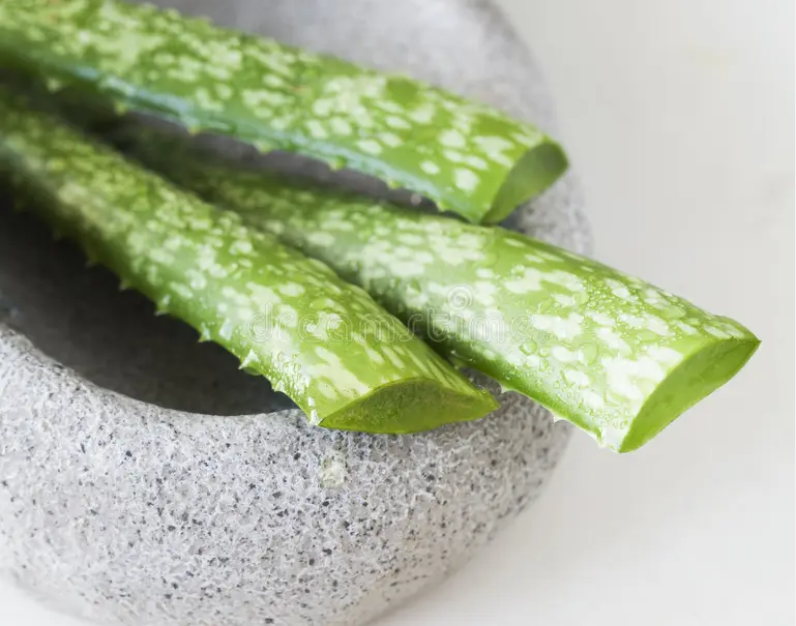

Aloe vera gel is like a savior in the desert; its thick leaves contain cooling essence. Applying it to acne-prone skin can reduce inflammation and kill bacteria, so gentle it’s almost risk-free, making it suitable for mild to moderate acne when you need help.
Pure Aloe Vera on its own
Apply pure gel directly as a cleanser or overnight mask to promote blood circulation, kill acne-causing bacteria, reduce redness and swelling the next day, and promote rapid wound healing. This centuries-old formula has stood the test of time.
Apply to breakout areas or as a thick layer all over the face, suitable for both morning and evening. A few people may experience irritation; discontinue use if necessary. Research confirms its three-pronged approach: anti-inflammatory, antioxidant, and antibacterial.
DIY Mask Combo
Honey Cinnamon Aloe Vera: 2 tablespoons honey + 1 tablespoon gel + 1/4 teaspoon powder. Mix well and apply for 5-10 minutes. Double antibacterial benefits plus sweet moisturizing—a spa-like experience at home.
Lemon Juice Version: 2 tablespoons of gelatin + 1/4 teaspoon of juice (8:1 ratio). Cleanse pores and brighten skin for 5-10 minutes, then rinse thoroughly. The fruit acids help, but control the acidity to avoid irritation.
Coconut Oil Sugar Scrub: 1/2 cup oil + 1/2 cup cane sugar + 1/4 cup gelatin. Refrigerate and use gently to exfoliate. Coconut acid sterilizes, leaving skin smooth.
New Ways to Use Sprays and Cleanse
Antibacterial Spray: 2 ounces bottle of 1 1/4 ounces of pure water + 1/2 ounce of gelatin + 1-2 drops of essential oil. Shake well and spray onto face for moisturizing without being greasy. Promotes new cell regeneration and prevents clogged pores.
Tea Tree Oil Cleanser: Gel base + pure water + 2-3 drops of oil. Rinse quickly in 1 minute. Powerful sterilization, but don’t leave it on for too long. The sour and spicy flavor is refreshing.
Many commercially available acne creams contain aloe vera; check the ingredient list to choose the right one.
Internal Risks and Safety Considerations
The theory of internal hydration through aloe vera juice or tea is appealing, but the evidence is weak. High doses may raise concerns about cancer, and drug interactions are also problematic. It’s best to avoid it until more research is available.
For external use, test on the inside of the wrist before application. Discontinue use if redness or itching occurs. It’s most suitable for mild to moderate acne. Medical research supports its effectiveness: combining it with retinol makes it even more potent. A home savior worth trying.