
Why do I get sick on vacation?
When you’re busy, your body releases adrenaline and stress hormones (like cortisol) to keep you alert and focused, helping you get through deadline after deadline.
This high-pressure state temporarily boosts the immune response, but it also depletes the body’s energy and repair mechanisms. Many minor ailments are simply “suppressed,” not truly eliminated.
On weekends, long holidays, or trips, the source of stress is suddenly removed, the body’s alarm system shuts down, and you finally relax. However, this creates a window of “imbalance” for the immune system.
Pre-existing viruses, inflammation, and fatigue take advantage of this gap and all surface at once. So, on the first day of your vacation, you have a sore throat, runny nose, and body aches, as if your vacation has been put on pause.
“Leisure Sickness” and the Stress Mechanism
Medically, this phenomenon is often called “holiday sickness,” “leisure sickness,” or the “let-down effect.”
It means that when you transition from prolonged stress to relaxation, your immune, endocrine, and nervous systems need to readjust in a short period, making you more susceptible to viral infections.
Long-term high stress levels keep cortisol levels elevated for extended periods, which not only interferes with sleep and mood but also weakens the immune system.
When the stress is suddenly relieved, the previously suppressed fatigue, headaches, aches, and cold symptoms are like rocks exposed after the tide recedes, and you truly feel how tired your body is.
The Invisible Drivers of Lifestyle
Holidays are not just about “stopping work”; they often represent drastic changes in routines and environment: staying up late watching TV, overeating at gatherings, long-distance travel, jet lag, and navigating crowded, enclosed spaces like airports and train stations.
Insufficient sleep, increased alcohol consumption, reduced fruit and vegetable intake, coupled with exposure to unfamiliar viruses and bacteria, all exacerbate a weakened immune system.
Many people habitually ignore minor discomforts during work hours, thinking they can just tough it out after a project or exam. This silences bodily signals time and again.
As a result, instead of suddenly falling ill during holidays, the pent-up fatigue from those delayed treatments suddenly strikes all at once when you finally stop, leading to the misconception that “I’ll collapse whenever I’m on vacation.”
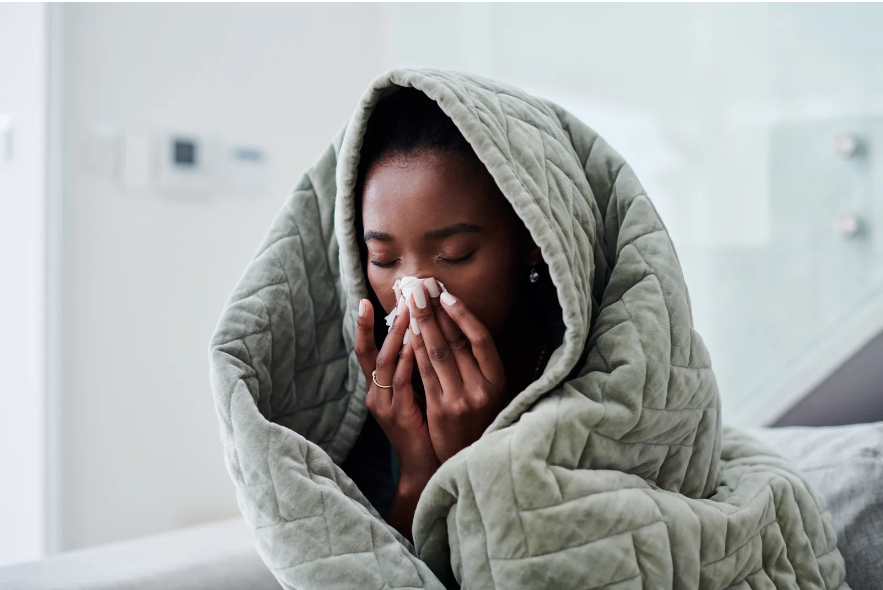
How to Reduce “Falling Illness During Holidays”?
To truly enjoy your vacation, don’t wait until the holiday to try and fix things; instead, give your body a buffer beforehand. The following tips can help you reserve time for proper rest instead of being forced to stay in bed.
- Distribute Stress in Your Daily Life
Don’t cram all your rest into your vacation. Schedule regular short breaks throughout the week: regular exercise, walks, stretching, short meditations—allow your nervous system to get used to alternating periods of tension and relaxation, rather than collapsing from prolonged stress.
- Start “Slowing Down” a Week Before the Holiday
Don’t cram all your work into the last day; gradually increase your sleep duration; reduce screen time and caffeine intake in the evenings. Give your body time to gradually transition from high-pressure mode, rather than abruptly stopping.
- Maintain Stable Basics: Sleep, Movement, and Eating
Even during the holiday, try to maintain consistent sleep and wake-up times, avoiding consecutive all-nighters and disrupted sleep-wake cycles.
Plan gentle, regular exercise rather than sudden bursts of high-intensity training. Eat plenty of whole foods, stay hydrated, and consume plenty of fruits and vegetables. Reduce excessive alcohol and heavy, oily, or salty meals.
- Be Mindful of Your Body’s Limits When Traveling
When on long flights or car journeys, prepare water, light snacks, and warm clothing. Move around and stretch occasionally to avoid drowsiness and dehydration.
Wear masks in crowded, enclosed spaces, wash your hands frequently, and get timely vaccinations against influenza, COVID-19, etc., to add an extra layer of protection to your immune system.
Negotiating with Your Body Again
“Getting sick every time you have a holiday” isn’t a cruel joke of fate; it’s your body expressing in the most direct way that you’ve demanded too much and given too little during that period.
Instead of complaining about your ruined holiday, see it as a delayed reminder, allowing you to readjust the balance between work, rest, and life, and learn to reserve time for yourself in your daily routine.
When you stop treating “just getting through until the holiday” as your only survival strategy, your holiday can transform from a make-up exam in the hospital bed into genuine rest time that truly belongs to you.