
The gut is a crucial site for nutrient absorption and immune regulation, and probiotics, as key partners in gut health, play a role in maintaining gut microbiota balance and promoting digestion. Modern life’s stresses and dietary changes have led to gastrointestinal discomfort for many. Understanding the correct methods for supplementing with probiotics and promoting their growth is essential for achieving good health.
Main Benefits of Probiotics
Probiotics are live microorganisms, commonly found in the genera Lactobacillus and Bifidobacterium. They help regulate the gut microbiota, improve digestive issues such as constipation and diarrhea, and strengthen the intestinal mucosal barrier, reduce inflammation, and enhance immunity by producing short-chain fatty acids, such as butyrate. Probiotics can also influence mood and cognition through the gut-brain axis, improving stress and anxiety symptoms.

Best Choices and Food Sources for Probiotic Supplementation
Foods rich in probiotics include:
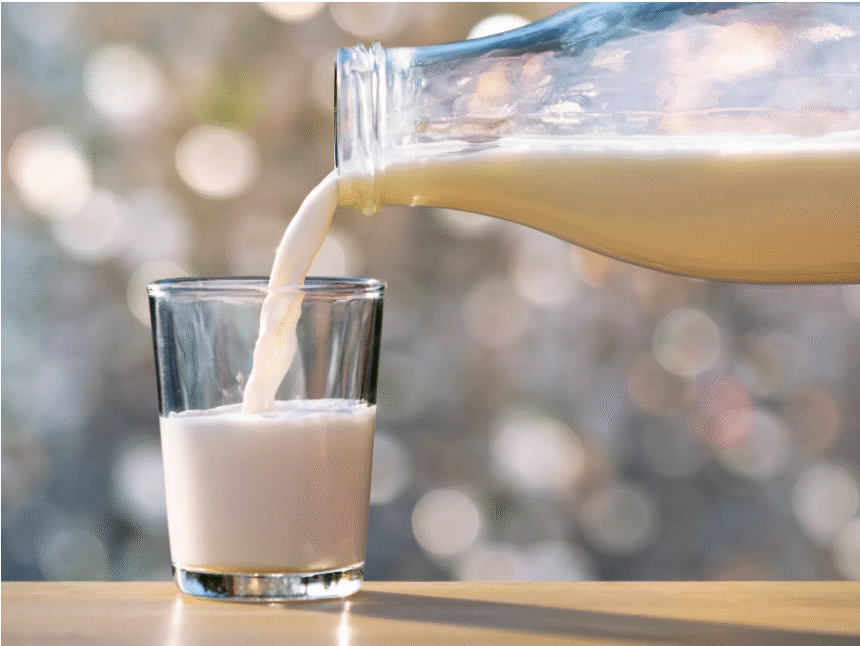
- Dairy products (especially Greek cheese), which are not only rich in protein but also contain a variety of live bacterial strains.
- Fermented vegetables, such as kimchi and sauerkraut, are rich in beneficial bacteria and vitamins.
- Kombucha, a fermented tea, contains lactic acid bacteria and yeast, and has anti-inflammatory and detoxifying effects.
- Fermented soy products such as miso contain probiotics and vitamin B12, which aid digestion and immunity.
When supplementing with probiotics, consuming high-fiber foods containing prebiotics, such as whole grains, legumes, fruits, and vegetables, can act as “food” for probiotics, promoting their survival and reproduction in the intestines and enhancing their effectiveness.
Precautions for Probiotic Supplementation
Directly supplementing with probiotics without a suitable diet has limited effects. A healthy gut environment and dietary habits are crucial; adequate water intake and stable fiber intake help establish gut microbiota. The timing of supplementation also affects bacterial survival; it is generally recommended to take it after meals to reduce the impact of stomach acid.

Comprehensive Strategies for Building Gut Health
In addition to diet, maintaining a regular sleep schedule, moderate exercise, and stress reduction also help balance gut microbiota. Pay attention to a diverse diet and avoid overly processed foods to create a favorable environment for probiotics. Overall, good gut function is crucial for digestion, nutrient absorption, and a healthy immune system.
Leveraging the synergistic effects of probiotics and prebiotics can lead to a richer and more balanced gut microbiota. Start by adjusting your diet and maintain healthy lifestyle habits to protect your health and restore gut harmony and vitality.